
Procrastination Kills
OK, so no one was killed.
For years I’ve been opening my wallet and thinking,
“Why do I carry all these credit cards? Wouldn’t it be a hassle if anything ever happened to this wallet?”
Ever since I began my habit of walking trails — usually combined with going to the library or a coffee shop and writing for an hour or two — I’ve been leaving my bookbag in my car, but thinking,
“I really need to stop leaving my bookbag in my car.”
This small inner prompting was usually greeted with a small inner shrug. “Soon,” I told myself. (Usually I hid it, sort of.)
Soon, I told myself, I would winnow through my cards and perhaps even follow advice and make photo copies of the 2 or 3 I decided to continue to carry. Soon I would come up with a backpack or start dropping my bag at home before I walked. Soon, I would take seriously this persistent inner voice.
In fact I had stopped using my purse, most of the time. I kept my driver’s licence and debit card in my phone wallet, and carried that with me on my walks.
Then, last week, I had my purse and my bookbag with me as I ran errands. I wasn’t going to walk, then I found out that my hubby was supposed to report to Urgent Care for a problem he was having. He wasn’t home, but called me and said he could meet me at home in 30 minutes. I would drive him. That gave me time to stop at a local park and take a 20-minute walk.
My bookbag and purse would be fine for 20 minutes. There were people around. It was broad daylight. No problem!
Right?
Wrong.
I came back to find my passenger door window smashed and my bookbag — and the small purse tucked inside it — gone. The police were called. One of my credit cards sent me a fraud alert (within minutes). Three other cards were successfully used — all within about 1/2 hour. I’m not liable for charges on stolen cards, or so I’m told, but it still felt awful. I felt like an idiot. And I had hours and hours of work ahead of me getting cards canceled, my checking account closed and reopened, and my Euros for my upcoming trip replaced. (I didn’t just feel like an idiot; I was an idiot.)
I lost all the writing time I thought I would have in the week before my trip.
I have had to remind myself that 1) I wasn’t personally harmed and my family is okay (even my husband, whose problem was resolved); 2) I am lucky to have resources and abilities to handle a setback like this; plus, 3) I am pretty good at learning from the bad stuff and this event proved an especially great teacher.
This also made me remember something that happened in (or to) my writing life many years ago. My daughters were young, I had my first full-time teaching job, and I told a writing friend that I would write…later. I may have said that maybe I wouldn’t ever get back to writing. In any case, I gave the clear impression that despite an MFA in poetry and all my huge writing goals, which my friend knew all about, I was going to put off writing.
She wrote me a letter — old school, sat down and wrote it in long-hand and mailed it to me (of course, that happened more often back then, but we did have email). She said something like this:
No one cares if you write. The world is not going to come and pound on your door and insist that you write. No one will miss it if you don’t write. They won’t even know. Meanwhile, life will unfold. You’ll get older. You’ll get farther and farther from your writing dreams. Eventually you’ll say to your grandchildren, “I used to write.” But your grandchildren won’t especially care either. It makes no difference whether you write or not. EXCEPT TO YOU. A place inside YOU will dry up and never be expressed if you don’t write. YOU will miss it. YOU will care. The only way to keep your writing alive, to keep this important part of yourself alive, is to write.
I probably have this letter somewhere. I should have framed it. I took it seriously (even though it was like that small, inner voice that I so often don’t heed). And I kept writing. Often, I didn’t have much time; I had little kids for a lot of years; I had a teaching career; I had teenagers and a mother who was ill. Nonetheless, I made a little time every day and I wrote. Some days the little bit of time turned into enough time.
And it has mattered. It has mattered to me. Writing has sustained me and saved me and even made things like parenting and teaching richer and more enjoyable. I am glad that I kept writing.
So this is what I want to say to you today. Is your small inner voice nagging you to do something? (To write?) Take 5 or 10 or 15 minutes right now (no one will miss you for 5 minutes), and do it. (Writing, or whatever it is.)
If you don’t, if you procrastinate (i.e., if you never do it), no one will be killed (probably). But I guarantee you’ll be glad that you took the time.

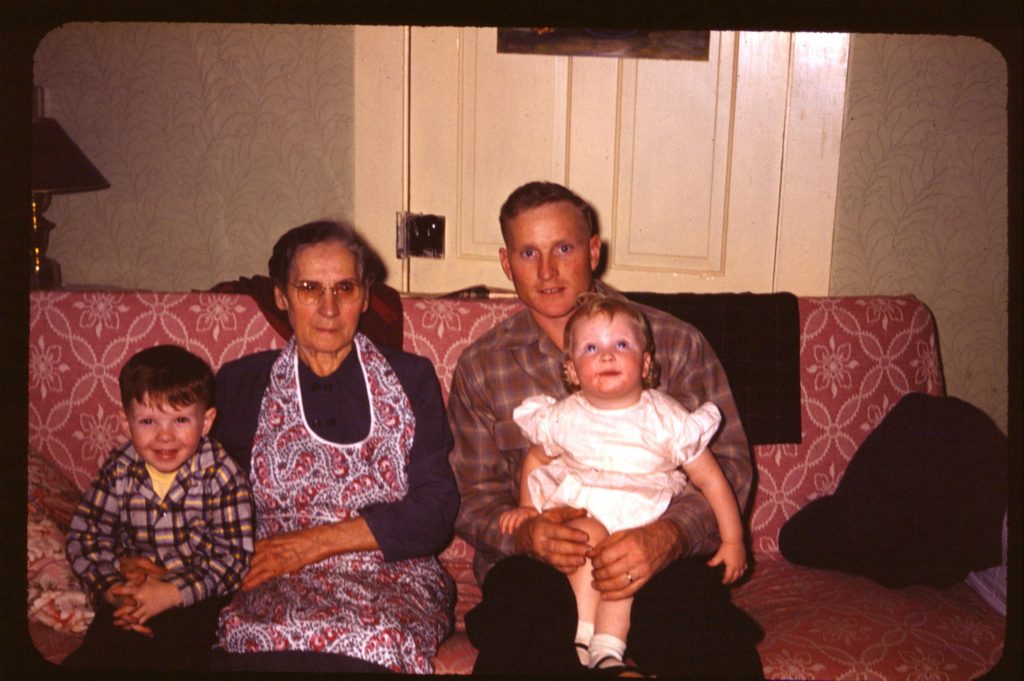 I have been sadly neglecting my blog, but working on other projects — one of which is a picture book for the family about my parents’ lives. Another of which has been reading poetry each morning (and writing
 I have loved her story, and her writing, from the time I first met her, and I love it still. But when she said she was back at work on the memoir — despite working more than full-time in a stressful, human-services job, despite all the usual drama with marriage and barely grown-up children — I expected to see the same old pieces, pulled up from the archives, re-read and maybe fluffed up a little, like pillows on a guest bed. I didn’t expect that I was inviting a deluge of new and (sometimes) shockingly revealing chapters in her life story.
 Which is exactly what my beta readers have done, by the way. So where does this fear come from? What is it that makes me start questioning every little thing (should the protagonist’s dog not be an English bulldog but some other breed? what if I took her daughter out of the story completely? am I getting away with all the backstory? is there going to be a romantic element, or do I let that go? sure, it’s okay, but what else could happen??????)