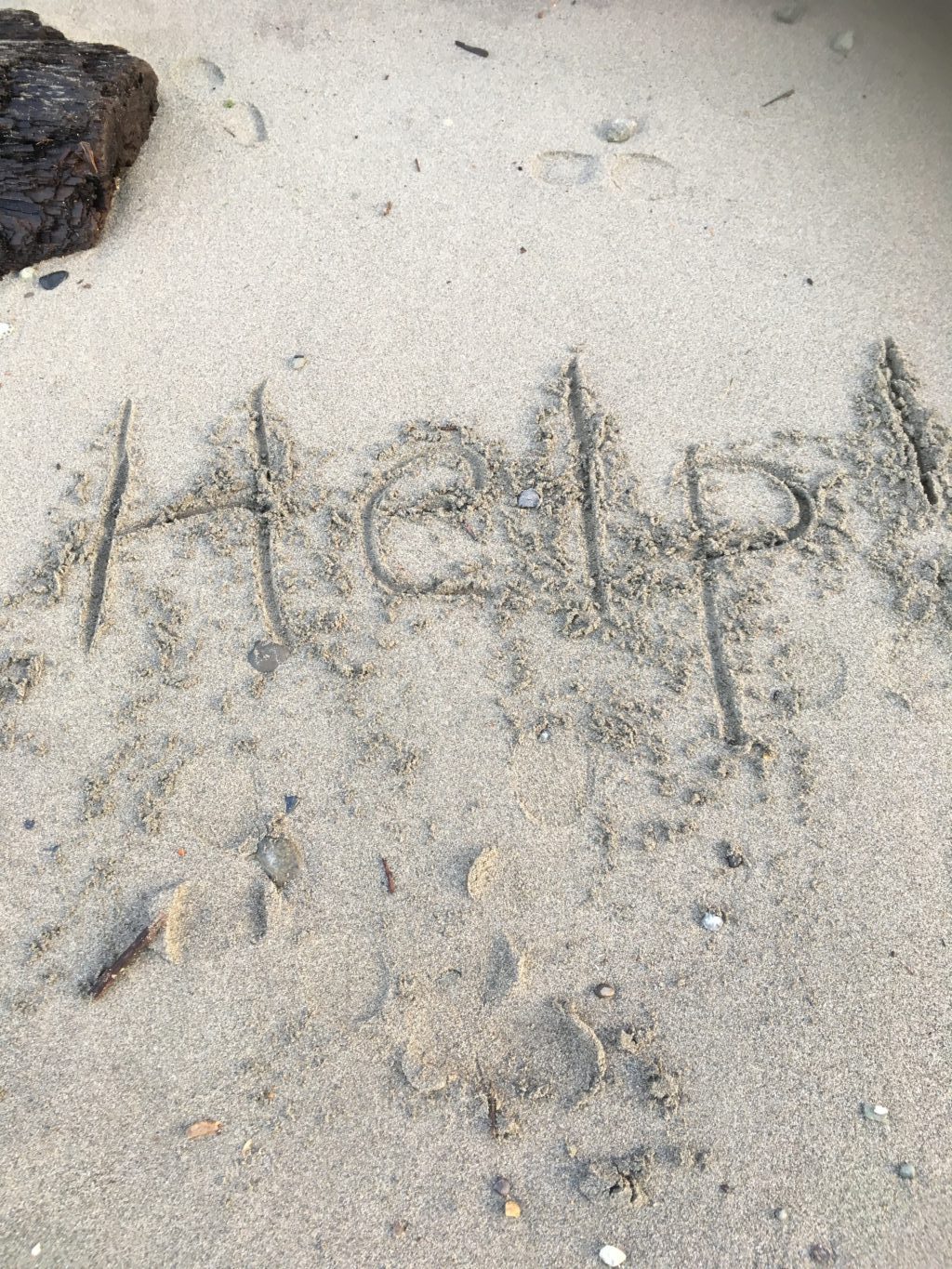
Is meandery a word? Well, meandering. That’s my mind lately. I’ve been on a no-holds-barred quest since about mid-December to figure out how to work. And, like Tolkien’s wanderers, I’m not lost.
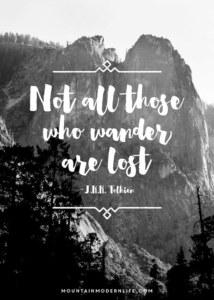
So, what do I mean by figuring out how to work? I know how to work, of course. My first paying job came at age ten when I went with my brother to the strawberry fields where my aunt Rayma was a field boss. (In truth, I ate more berries than I picked, but after a few summers, I could make $5 a day!) I started babysitting at age twelve, usually for my younger cousins. ($5 a night!)
And, unpaid work. I mucked barns and helped with hay. I weeded gardens and dusted furniture, folded clothes and made beds. Caring for a horse is work.
Homework.
And of course adult life was (was?) all about work — restaurants for me, to start with, then other jobs — typing class notes for $1 a page, tutoring, working as a bank teller. Eventually, teaching, which I was involved with for twenty-five years, and still am involved with, to one extent or another.
Rearing children is work. Keeping laundry caught up and a house clean is work. (I admit to being rather inept in all of these.)
And then…writing.
I have been fitting writing into the interstices for years — for decades! I’ve written in the very early morning, in spiral bound notebooks; I’ve written in my car (only when the car is stopped!); I’ve written during soccer practice and in between classes and beside hospital beds. I have written in many, many coffeeshops.
What I’m grappling with now, where my meandering is leading me now — is how to put writing on the front burner and really work at writing.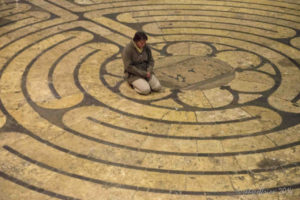
I think I can credit Author Magazine for introducing me to this quote:
“Have the courage to become who you are.”
-Nietzsche
That is what my meandering mind is working on now.
Photo of labyrinth at Chartres Cathedral: ©Jill K H Geoffrion, Ph.D., www.jillgeoffrion.com

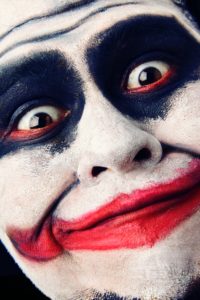 I have been thinking about villains; specifically, I have been wondering why it is that oppressive regimes often give rise to the best art, and why apathy is converted to action by conflict. I have been brooding on how it is that we (that I) will do almost anything to avoid conflict, when — obviously — it is so good for us. Is enlightenment possible without it? Can you play music on strings that have no tension? I think it was Helen Keller who said that it isn’t an absence of hardship that makes us strong, but mastery of it.
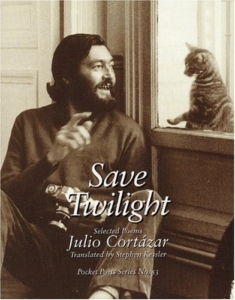 “It would grieve me if despite all the liberties I allow myself, this took on the air of a collection. I never wanted butterflies pinned to a board; I’m looking for a poetic ecology, to observe myself and at times recognize myself in different worlds, in things that only the poems haven’t forgotten and have saved for me like faithful old photographs. To accept no other order than that of affinities, no other chronology than that of the heart, no other schedule than that of unplanned encounters, the true ones.”